What goal - physical or spiritual - are you working towards?
Do you see it? Taste it? Smell it?
The only way to manifest your dream is if you hold onto your vision of it for dear life. Otherwise life's trials and tribulations will cause you to lose your willpower.
"Whoever's pain is bigger than his vision of his goal will lose his vision as he succumbs to the pain."-Rav Ashlag
Get clear on what you want today. Now hold on!
Tuesday, September 04, 2007

Saturday, September 01, 2007
You need a Professional
Never doubt the importance of professional assistance. It may cost you a few bob but the end result will be well worth it!
Choose Evolution Personal Trainers as your professional of choice! It's the only way to achieve your health and fitness goals effectively.
The Little Frog
Once upon a time, a tiny frog fell into a giant bowl of cream. Unable to get out, the little fella kept kicking, kicking, kicking until finally the cream turned to butter, and he was able to jump to safety.
This is us. We are the frog. We can either give up hope when faced with impossible challenges, or we can kick, kick, kick until the curses turn to blessings. Rest assured, our Creator wants us to survive our battles, conquer our demons, and no matter how dark life may be, there is always Light at the end of the tunnel. Our challenge is to maintain our certainty and to continue fighting the good fight.Keep kicking today. Know that there is a solution to whatever it is that threatens to overwhelm you.
This is us. We are the frog. We can either give up hope when faced with impossible challenges, or we can kick, kick, kick until the curses turn to blessings. Rest assured, our Creator wants us to survive our battles, conquer our demons, and no matter how dark life may be, there is always Light at the end of the tunnel. Our challenge is to maintain our certainty and to continue fighting the good fight.Keep kicking today. Know that there is a solution to whatever it is that threatens to overwhelm you.
Wednesday, August 15, 2007
The Largest Lake on an Island in a Lake on an Island

You may know that the largest island in the world is Greenland, and even that the largest lake is the Caspian Sea.
But do you know the largest lake on an island? It's Nettilling Lake on Baffin Island in Canada. Or the largest island in a lake? It's Manitoulin Island in Lake Huron, also in Canada.
And if you're a fan of obscure geographic trivia, you'll really like this one: the largest lake on an island in a lake on an island is Crater Lake on Vulcano Island in Lake Taal on the island of Luzon in the Philippines.
(Source: elbruz.org)
Tuesday, July 17, 2007
10 Ways to Exercise as a Family
1. Go for pre- or post-dinner walks
Whether you head into town or just cruise the neighborhood, building a walk into your daily schedule ensures that it won't get put off. Brookline, Massachusetts, master Pilate's instructor Lisa Johnson and her husband take evening walks with 3-year-old Alex, who alternates time in and out of the stroller. To make walking more enticing, Johnson makes a sport of it. "At one house we look for a cat sitting in the window, at another we run up and down a short flight of stairs," she says.
2. Crank up the music and boogie down
Betsy Murphy of Coral Gables, Florida, holds disco nights with her four kids and several neighbors. She moves the furniture aside, fills the CD player with dance tunes, and lets the kids take turns using a flashlight as a strobe light. "They dance for three hours straight," Murphy says. "The older ones know all the words to the songs and really dance; it's hilarious to see the younger ones try to mimic them. Their favorite song is 'Brick House!'"
3. Make a game out of household chores
Pretend that dust creatures are invading earth and it's up to Captain [insert child's name] to save the day by capturing them with his broom, suggests registered dietitian Juliet Zuercher of Wickenburg, Arizona. "Make believe he's one of the Rescue Heroes, and have him save his teddy bears from the slimy pit of the floor by putting them safely in his toy chest," she says. Jodi Arlen of Bethesda, Maryland, turns folding laundry into a guessing game. "It started when my daughter would ask, 'Is that mine?' and it grew into 'Guess whose this is!'" she says. After her daughters, 3 years old and 20 months old, correctly identify the clothing, they help fold them.
4. Sneak workouts into other activities
Have your toddler walk instead of riding in the cart at the supermarket, and take the stairs or walk up the escalator whenever possible. Nancy Twigg of Knoxville, Tennessee, drives partway to her daughter Lydia's preschool, parks the car, and walks the rest of the way.
5. Turn TV commercials into fitness breaks
Invent silly names for simple exercises like squats, push-ups, and sit-ups, and then do them together till the show comes back on. "Call them princess sit-ups or Bob the Builder muscle builders," says physical therapist Peter Kofitsas, of New York City, who does the moves with his 4-year-old and 20-month-old daughters. You can also play "coach," in which you take turns "ordering" each other to "drop and give me five," or "follow the leader," in which one person leads the others in fun, simple moves like clapping, wiggling, and marching.
6. Have a weekly sports night
Every Wednesday, for example, get everyone up and moving. One game to play is the fit-deck shuffle. Create a series of playing cards featuring family-friendly exercises, such as bear-crawling or ape-walking. Each family member picks a card and performs the exercise pictured until all the cards have been dealt.
7. Walk or run for charity
Model the value of exercise-and of giving back to society-by teaming up with your children for a fund-raising race. When her husband and father-in-law participated in the Father's Day Race for Prostate Cancer, Jodi Zielinski, of Upper Montclair, New Jersey, took her 3-year-old daughter, Noa, to watch them run. When the race was over, she entered Noa in the kids' race that followed. "She didn't win but she had a great time," says Zielinski, who hopes to make it an annual family tradition.
8. Put kids to work in the yard
If autumn brings down leaves in your area, make a game out of catching them on a windy day-see who can catch the most yellow, orange, or red ones, suggests Zuercher. Then rake them into piles-give the kids child-sized rakes so they can help-and have fun jumping in them, or take turns completely covering one another in leaves.
9. Team up for gardening
Kids are great at digging up dirt, so let them turn over the soil and help you plant new bulbs. Research shows that gardening is as good as weight training when it comes to preventing osteoporosis, and if you're planting vegetables, it can make them more appetizing to kids. Dawn Schwartz, of Livingston, New Jersey, has her 3-year-old daughter, Samantha, help water the plants. "She loves to mush her hands in the soil," she says. In the summer, set up a sprinkler to water the lawn and challenge kids to duck the droplets.
10. Walk the dog
New research from North American Association on the Study of Obesity shows that dog-owners had more fun losing weight and were able to keep it off longer than non-pup-owners. Don't have a pooch? Go look for some. Somers, New York, mom Mary Rose Almasi gets her two kids, ages 5 and 3, to go for a walk after dinner by suggesting they go "looking for dogs." "Luckily, there are a few at the end of my long street. That's the carrot I dangle," she says. "It works like a charm."
Whether you head into town or just cruise the neighborhood, building a walk into your daily schedule ensures that it won't get put off. Brookline, Massachusetts, master Pilate's instructor Lisa Johnson and her husband take evening walks with 3-year-old Alex, who alternates time in and out of the stroller. To make walking more enticing, Johnson makes a sport of it. "At one house we look for a cat sitting in the window, at another we run up and down a short flight of stairs," she says.
2. Crank up the music and boogie down
Betsy Murphy of Coral Gables, Florida, holds disco nights with her four kids and several neighbors. She moves the furniture aside, fills the CD player with dance tunes, and lets the kids take turns using a flashlight as a strobe light. "They dance for three hours straight," Murphy says. "The older ones know all the words to the songs and really dance; it's hilarious to see the younger ones try to mimic them. Their favorite song is 'Brick House!'"
3. Make a game out of household chores
Pretend that dust creatures are invading earth and it's up to Captain [insert child's name] to save the day by capturing them with his broom, suggests registered dietitian Juliet Zuercher of Wickenburg, Arizona. "Make believe he's one of the Rescue Heroes, and have him save his teddy bears from the slimy pit of the floor by putting them safely in his toy chest," she says. Jodi Arlen of Bethesda, Maryland, turns folding laundry into a guessing game. "It started when my daughter would ask, 'Is that mine?' and it grew into 'Guess whose this is!'" she says. After her daughters, 3 years old and 20 months old, correctly identify the clothing, they help fold them.
4. Sneak workouts into other activities
Have your toddler walk instead of riding in the cart at the supermarket, and take the stairs or walk up the escalator whenever possible. Nancy Twigg of Knoxville, Tennessee, drives partway to her daughter Lydia's preschool, parks the car, and walks the rest of the way.
5. Turn TV commercials into fitness breaks
Invent silly names for simple exercises like squats, push-ups, and sit-ups, and then do them together till the show comes back on. "Call them princess sit-ups or Bob the Builder muscle builders," says physical therapist Peter Kofitsas, of New York City, who does the moves with his 4-year-old and 20-month-old daughters. You can also play "coach," in which you take turns "ordering" each other to "drop and give me five," or "follow the leader," in which one person leads the others in fun, simple moves like clapping, wiggling, and marching.
6. Have a weekly sports night
Every Wednesday, for example, get everyone up and moving. One game to play is the fit-deck shuffle. Create a series of playing cards featuring family-friendly exercises, such as bear-crawling or ape-walking. Each family member picks a card and performs the exercise pictured until all the cards have been dealt.
7. Walk or run for charity
Model the value of exercise-and of giving back to society-by teaming up with your children for a fund-raising race. When her husband and father-in-law participated in the Father's Day Race for Prostate Cancer, Jodi Zielinski, of Upper Montclair, New Jersey, took her 3-year-old daughter, Noa, to watch them run. When the race was over, she entered Noa in the kids' race that followed. "She didn't win but she had a great time," says Zielinski, who hopes to make it an annual family tradition.
8. Put kids to work in the yard
If autumn brings down leaves in your area, make a game out of catching them on a windy day-see who can catch the most yellow, orange, or red ones, suggests Zuercher. Then rake them into piles-give the kids child-sized rakes so they can help-and have fun jumping in them, or take turns completely covering one another in leaves.
9. Team up for gardening
Kids are great at digging up dirt, so let them turn over the soil and help you plant new bulbs. Research shows that gardening is as good as weight training when it comes to preventing osteoporosis, and if you're planting vegetables, it can make them more appetizing to kids. Dawn Schwartz, of Livingston, New Jersey, has her 3-year-old daughter, Samantha, help water the plants. "She loves to mush her hands in the soil," she says. In the summer, set up a sprinkler to water the lawn and challenge kids to duck the droplets.
10. Walk the dog
New research from North American Association on the Study of Obesity shows that dog-owners had more fun losing weight and were able to keep it off longer than non-pup-owners. Don't have a pooch? Go look for some. Somers, New York, mom Mary Rose Almasi gets her two kids, ages 5 and 3, to go for a walk after dinner by suggesting they go "looking for dogs." "Luckily, there are a few at the end of my long street. That's the carrot I dangle," she says. "It works like a charm."
Tuesday, June 05, 2007
The Water Myth
Written by Denise Dahdah, NetDoctor journalist
In recent years, drinking large quantities of water has become one of the mantras for healthy living. Every magazine has had its version of 'drink water and be healthy' or 'drink water and lose weight'.
But do we really need to drink the mythical eight glasses of water every day?
Doctors advise that we should drink at least 1.2 litres (2.5 pints) of water a day.
Human beings are made up of around 75 per cent water. Two thirds of our bodily water is found inside our cells, with the rest between the cells and in our blood.Water provides the medium in which all the body's chemical reactions take place and the solution in which foodstuffs are dissolved and transported. It helps regulate our body temperature through sweating.
A 2 per cent loss in the water surrounding our cells can result in a 20 per cent drop in energy levels. That's how important water is for us.Water is the most vital requirement for human life. While our bodies can survive without food for around three weeks, without water we can only live for three days.
Dr Keith Barnard, GP, says: 'The body tries desperately hard to retain water if there is no intake, so hardly any urine is passed. If a person is in a normal temperature and not exposed to the wind they could probably last longer than three days - maybe as long as a week.
'We cannot live long without water because we have no reserves of it in our body. So do you really need to drink at least eight glasses of water every day?
On average, your body loses 1-1.5 litres of water a day. If someone is undertaking a lot of activity, and therefore breathing and sweating more, they would lose more.
Dr Barnard says: 'It is not essential to always drink a set amount regardless of circumstances. The body is very good at regulating water. 'If you drink too much, your body will get rid of the excess, so you will pass urine more often and it will look almost clear. 'If you don't drink enough, your body will save water by concentrating your urine, which will look darker, and your brain will tell you that you need more water by making you feel thirsty.'
Another thing to keep in mind is that water is found in fruits, vegetables, milk and juices. Water from these sources will go some way to meeting your daily requirements, so people do not need to drink a full eight glasses of water on top of this (see Table 1).
Senior nutrition scientist Gail Goldberg says: 'There is a perception generated, for example by newspapers and magazine articles, that all our water requirement has to come from "water". 'My colleagues and I would never say that people should only drink water. It's a matter of individual choice and availability.'
The Macrobiotic Association of Great Britain (MAGB) says that a person following a macrobiotic diet does not necessarily need to drink as much water as someone who is on a regular diet.
Macrobiotic cook and teacher Bob Lloyd says: 'The type of foods we [people following a macrobiotic diet] eat contain a lot of water and are less dehydrating, therefore there is less need to drink.
'Can drinking water help you lose weight?
A reasonable water intake can help with weight loss. We need around half a cup of water for every 100 calories we burn.
Dr Roger Henderson, GP, explains: 'Drinking before eating may help you lose weight because the brain can generate energy from water and food. 'When water is used instead of food then none is stored as fat - as is the case with unused food - and excess water passes out of the body with no weight gain.
'Drinking before food helps to fill the stomach and increases the chance of weight loss by making the person eat less.'
So how much should you drink?
The minimum figures for the body's daily water loss are 500ml through urine and 700ml through breathing and sweating.
Doctors advise that to be on the safe side we should drink at least 1.2 litres of liquids (2.5 pints).
So, remember, although water is essential, you don't need to become obsessed about drinking eight glasses a day!
In recent years, drinking large quantities of water has become one of the mantras for healthy living. Every magazine has had its version of 'drink water and be healthy' or 'drink water and lose weight'.
But do we really need to drink the mythical eight glasses of water every day?
Doctors advise that we should drink at least 1.2 litres (2.5 pints) of water a day.
Human beings are made up of around 75 per cent water. Two thirds of our bodily water is found inside our cells, with the rest between the cells and in our blood.Water provides the medium in which all the body's chemical reactions take place and the solution in which foodstuffs are dissolved and transported. It helps regulate our body temperature through sweating.
A 2 per cent loss in the water surrounding our cells can result in a 20 per cent drop in energy levels. That's how important water is for us.Water is the most vital requirement for human life. While our bodies can survive without food for around three weeks, without water we can only live for three days.
Dr Keith Barnard, GP, says: 'The body tries desperately hard to retain water if there is no intake, so hardly any urine is passed. If a person is in a normal temperature and not exposed to the wind they could probably last longer than three days - maybe as long as a week.
'We cannot live long without water because we have no reserves of it in our body. So do you really need to drink at least eight glasses of water every day?
On average, your body loses 1-1.5 litres of water a day. If someone is undertaking a lot of activity, and therefore breathing and sweating more, they would lose more.
Dr Barnard says: 'It is not essential to always drink a set amount regardless of circumstances. The body is very good at regulating water. 'If you drink too much, your body will get rid of the excess, so you will pass urine more often and it will look almost clear. 'If you don't drink enough, your body will save water by concentrating your urine, which will look darker, and your brain will tell you that you need more water by making you feel thirsty.'
Another thing to keep in mind is that water is found in fruits, vegetables, milk and juices. Water from these sources will go some way to meeting your daily requirements, so people do not need to drink a full eight glasses of water on top of this (see Table 1).
Senior nutrition scientist Gail Goldberg says: 'There is a perception generated, for example by newspapers and magazine articles, that all our water requirement has to come from "water". 'My colleagues and I would never say that people should only drink water. It's a matter of individual choice and availability.'
The Macrobiotic Association of Great Britain (MAGB) says that a person following a macrobiotic diet does not necessarily need to drink as much water as someone who is on a regular diet.
Macrobiotic cook and teacher Bob Lloyd says: 'The type of foods we [people following a macrobiotic diet] eat contain a lot of water and are less dehydrating, therefore there is less need to drink.
'Can drinking water help you lose weight?
A reasonable water intake can help with weight loss. We need around half a cup of water for every 100 calories we burn.
Dr Roger Henderson, GP, explains: 'Drinking before eating may help you lose weight because the brain can generate energy from water and food. 'When water is used instead of food then none is stored as fat - as is the case with unused food - and excess water passes out of the body with no weight gain.
'Drinking before food helps to fill the stomach and increases the chance of weight loss by making the person eat less.'
So how much should you drink?
The minimum figures for the body's daily water loss are 500ml through urine and 700ml through breathing and sweating.
Doctors advise that to be on the safe side we should drink at least 1.2 litres of liquids (2.5 pints).
So, remember, although water is essential, you don't need to become obsessed about drinking eight glasses a day!
Monday, June 04, 2007
20 Little Ways to be a Big Loser
by Joe Mullich
Consuming just 100 fewer calories each day is enough to avert the 1 to 2 pounds the average person gains each year. To lose weight, you have to downsize by 500 calories a day—but you don't have to slash them all from your plate.
"You can eat 250 calories less and then burn 250 by walking for 30 to 45 minutes. Over a week, that will produce about a pound of weight loss," says Holly Wyatt, MD, a clinical researcher at the Center for Human Nutrition in Denver. You won't see dramatic changes immediately, but small tweaks like these will pay off over time.
1. Order two appetizers.According to a study at the University of North Carolina, the average hamburger is 23 percent larger today than it was in 1977. Choose a pasta dish and salad or soup from the appetizer column, instead.
2. Visit the vending machine.Nibbling on single servings is better than digging your way to the bottom of a megabag of chips.
3. Start with salad...and eat less during the rest of the meal, says a study from Pennsylvania State University. When salads were topped with low-fat mozzarella and low-calorie Italian dressing instead of high-fat alternatives, women ate 10 percent fewer calories over the course of the day.
4. Stick a fork in it.If you prefer your salad dressing on the side, dip your fork into it before stabbing your greens. That little maneuver could cut hundreds of calories.
5. Watch coffee calories.The fancy concoctions that are now the javas of choice for many people can contain as many calories as an entire lunch.
6. Walk and talk.When your cell phone rings, slip on your walking shoes and stroll the halls at work or hoof it outside. If you did this for 10 minutes every workday at a moderate 3 mph pace, you’d burn about 1,000 calories a month and lose 3 pounds a year.
7. Crack a nut.Dieters in a Harvard University study who ate a handful of peanuts or mixed nuts daily were more likely to keep weight off than a group whose regimen didn’t include the high-fat snacks.
8. Don’t just sit there.The average person burns 100 calories per hour sitting and 140 per hour standing. Get on your feet 2 hours a day while you work, and you could drop an extra 6 pounds over the year.
9. Sleep well, lose more.Insufficient shut-eye appears to increase production of the stress hormone cortisol, which regulates appetite. High levels seem to worsen bingeing and hunger; moreover, too little sleep could keep your body from burning carbohydrates, which translates to more stored body fat.
10. Double your protein.The high-protein, low-carb approach may help keep you from losing muscle along with fat, according to a study published in The Journal of Nutrition. According to study author Donald K. Layman, PhD, of the University of Illinois, the amino acid leucine—found in beef, dairy, poultry, fish, and eggs—may help preserve muscle tissue.
11. Keep an exercise journal.Writing down your fitness achievements is a great way to track your progress, give yourself positive feedback, and maintain focus on your goals.
12. Eat dairy daily.A piece of cheese or a cup of milk or yogurt can rev up your metabolism, a University of Tennessee study found. People who cut 500 calories a day from their diets while eating yogurt three times a day lost 13 pounds over 12 weeks, more weight and more body fat than a control group who only cut calories.
13. Have an apple before dinner.How did 346 people in small-town Washington State lose an average of 17 pounds each in 3 months? With regular exercise, balanced eating, and an apple with every meal. The typical apple has 5 grams of fiber, which makes you feel fuller.
14. Be wary of white foods.That's the color of most high-calorie carbs—bagels, potatoes, breads, rice, creamed corn, and the like.
15. Drink water.Your body often mistakes thirst for hunger, so staying hydrated means you'll probably also stay satiated.
16. Act like a kid.Expand your definition of physical activity to include shaking your booty with your kids. It's a welcome break from the StairMaster and can burn just as many calories (about 120 every 20 minutes).
17. Munch a handful of M&M's.Just under half a pack of plain candies adds only 100 calories to your daily tally and can satisfy a sweet tooth.
18. Be picky about bread.Select loaves with whole grain listed as the first ingredient, and make sure each slice contains at least 2 grams of fiber.
19. Eat breakfast.A Harvard study found that people who did so every day cut their chances of becoming obese and developing diabetes by 35 to 50 percent, compared with those who ate breakfast only twice a week.
20. Brush your teeth after every meal.It doesn't just fight cavities: Brushing serves as a physical and psychological cue to stop eating. When you're on the go, a few Altoids or a breath strip can have the same effect.
Consuming just 100 fewer calories each day is enough to avert the 1 to 2 pounds the average person gains each year. To lose weight, you have to downsize by 500 calories a day—but you don't have to slash them all from your plate.
"You can eat 250 calories less and then burn 250 by walking for 30 to 45 minutes. Over a week, that will produce about a pound of weight loss," says Holly Wyatt, MD, a clinical researcher at the Center for Human Nutrition in Denver. You won't see dramatic changes immediately, but small tweaks like these will pay off over time.
1. Order two appetizers.According to a study at the University of North Carolina, the average hamburger is 23 percent larger today than it was in 1977. Choose a pasta dish and salad or soup from the appetizer column, instead.
2. Visit the vending machine.Nibbling on single servings is better than digging your way to the bottom of a megabag of chips.
3. Start with salad...and eat less during the rest of the meal, says a study from Pennsylvania State University. When salads were topped with low-fat mozzarella and low-calorie Italian dressing instead of high-fat alternatives, women ate 10 percent fewer calories over the course of the day.
4. Stick a fork in it.If you prefer your salad dressing on the side, dip your fork into it before stabbing your greens. That little maneuver could cut hundreds of calories.
5. Watch coffee calories.The fancy concoctions that are now the javas of choice for many people can contain as many calories as an entire lunch.
6. Walk and talk.When your cell phone rings, slip on your walking shoes and stroll the halls at work or hoof it outside. If you did this for 10 minutes every workday at a moderate 3 mph pace, you’d burn about 1,000 calories a month and lose 3 pounds a year.
7. Crack a nut.Dieters in a Harvard University study who ate a handful of peanuts or mixed nuts daily were more likely to keep weight off than a group whose regimen didn’t include the high-fat snacks.
8. Don’t just sit there.The average person burns 100 calories per hour sitting and 140 per hour standing. Get on your feet 2 hours a day while you work, and you could drop an extra 6 pounds over the year.
9. Sleep well, lose more.Insufficient shut-eye appears to increase production of the stress hormone cortisol, which regulates appetite. High levels seem to worsen bingeing and hunger; moreover, too little sleep could keep your body from burning carbohydrates, which translates to more stored body fat.
10. Double your protein.The high-protein, low-carb approach may help keep you from losing muscle along with fat, according to a study published in The Journal of Nutrition. According to study author Donald K. Layman, PhD, of the University of Illinois, the amino acid leucine—found in beef, dairy, poultry, fish, and eggs—may help preserve muscle tissue.
11. Keep an exercise journal.Writing down your fitness achievements is a great way to track your progress, give yourself positive feedback, and maintain focus on your goals.
12. Eat dairy daily.A piece of cheese or a cup of milk or yogurt can rev up your metabolism, a University of Tennessee study found. People who cut 500 calories a day from their diets while eating yogurt three times a day lost 13 pounds over 12 weeks, more weight and more body fat than a control group who only cut calories.
13. Have an apple before dinner.How did 346 people in small-town Washington State lose an average of 17 pounds each in 3 months? With regular exercise, balanced eating, and an apple with every meal. The typical apple has 5 grams of fiber, which makes you feel fuller.
14. Be wary of white foods.That's the color of most high-calorie carbs—bagels, potatoes, breads, rice, creamed corn, and the like.
15. Drink water.Your body often mistakes thirst for hunger, so staying hydrated means you'll probably also stay satiated.
16. Act like a kid.Expand your definition of physical activity to include shaking your booty with your kids. It's a welcome break from the StairMaster and can burn just as many calories (about 120 every 20 minutes).
17. Munch a handful of M&M's.Just under half a pack of plain candies adds only 100 calories to your daily tally and can satisfy a sweet tooth.
18. Be picky about bread.Select loaves with whole grain listed as the first ingredient, and make sure each slice contains at least 2 grams of fiber.
19. Eat breakfast.A Harvard study found that people who did so every day cut their chances of becoming obese and developing diabetes by 35 to 50 percent, compared with those who ate breakfast only twice a week.
20. Brush your teeth after every meal.It doesn't just fight cavities: Brushing serves as a physical and psychological cue to stop eating. When you're on the go, a few Altoids or a breath strip can have the same effect.
Tuesday, May 22, 2007
The Basics of Fat Loss
by Alwyn Cosgrove
Here's the fat loss basics:
You need to create a caloric deficit - no two ways about it - you must burn more than you consume. The most effective way to create that deficit is to use a combination of diet and exercise
Your diet should consist of lean proteins, fruits and vegetables. Keep starches and refined carbs to a minimum. Keep your fluid intake high (water only), and try to eat at least 4-5 small meals per day. This will help maintain blood sugar levels and keep you from blowing your diet.
Exercise - interval training and metabolic resistance training will provide the most bang-for-your buck. Steady state aerobic training just doesn't burn enough calories for your goals right now, and a bodypart training split will be less effective than total body training for fat loss.
Try to exercise at least six days per week - three days of interval based cardio and three days of resistance training.
Supplements: there is almost nothing that will make a difference. Sorry. Certain supplements can boost metabolism, or increase your energy somewhat and these may be useful - but in terms of real world "pounds of fat lost" I have yet to see anything that really made a difference.
A multivitamin and a fish oil supplement are vital though - but more for your overall health. a protein shake or meal replacement powder can be useful for convenience but are nothing more than high quality food.
Here's the fat loss basics:
You need to create a caloric deficit - no two ways about it - you must burn more than you consume. The most effective way to create that deficit is to use a combination of diet and exercise
Your diet should consist of lean proteins, fruits and vegetables. Keep starches and refined carbs to a minimum. Keep your fluid intake high (water only), and try to eat at least 4-5 small meals per day. This will help maintain blood sugar levels and keep you from blowing your diet.
Exercise - interval training and metabolic resistance training will provide the most bang-for-your buck. Steady state aerobic training just doesn't burn enough calories for your goals right now, and a bodypart training split will be less effective than total body training for fat loss.
Try to exercise at least six days per week - three days of interval based cardio and three days of resistance training.
Supplements: there is almost nothing that will make a difference. Sorry. Certain supplements can boost metabolism, or increase your energy somewhat and these may be useful - but in terms of real world "pounds of fat lost" I have yet to see anything that really made a difference.
A multivitamin and a fish oil supplement are vital though - but more for your overall health. a protein shake or meal replacement powder can be useful for convenience but are nothing more than high quality food.
Tuesday, April 17, 2007
Diabetes is a growing Epidemic
Diabetes is a growing epidemic worldwide. The increasing weight of the population and the prevalence of high sugar, processed foods have led to an increase in the incidence of diabetes.
There are millions of people diagnosed with this condition and millions more living with it undiagnosed. Due to the lack of strong symptoms at the onset it often goes undiagnosed and untreated until something else forces the person to the doctor.
Testing of the blood for blood glucose levels is the only reliable way to diagnose diabetes.
Read the complete article here http://www.thestretchinghandbook.com/archives/diabetes.php
There are millions of people diagnosed with this condition and millions more living with it undiagnosed. Due to the lack of strong symptoms at the onset it often goes undiagnosed and untreated until something else forces the person to the doctor.
Testing of the blood for blood glucose levels is the only reliable way to diagnose diabetes.
Read the complete article here http://www.thestretchinghandbook.com/archives/diabetes.php
Sunday, March 11, 2007
5 Ways to Improve Your Performance on the Golf Course
When you go out to golf you're hoping for a good round. I know I do. How often does your outcome match what you hoped for? Do you usually shoot the scores you had envisioned before you teed off? If not, do you ever evaluate where and how you could have saved strokes and avoided those blow up holes?
I've got 5 easy tips for you to implement immediately that will shave 4-6 or even more strokes off your score the next time you play. Give them a try and see what happens.
Here they are:
First off you've got to put the proper fuel in your body before you leave home. Most golfers don't give it a second thought. They either don't eat at all before they leave home or they eat something that is not going to give them the long-term energy they're hoping for. So whether it's lunch or breakfast before you leave you need to consume a complex carbohydrate and a good protein source.
This combination will warrant the best use of your energy for the long haul.An example for breakfast would be a bowl of oatmeal and a couple of eggs with a piece of fruit or a juice. For lunch you could have a turkey sandwich on whole wheat with a piece of fruit. Lot's of lettuce on the sandwich and try to avoid mayonnaise or butter.
The second tip is to properly warm up your body before you even hit your first ball. I see so many golfers show up 5 minutes before tee time, hack a few balls and head to the first tee. Those golfers are headed for a double bogey right off the bat - but hey they're just getting "warmed up" right?A better approach is to give yourself at least 30 minutes before your tee time. First do some dynamic (movement oriented) stretches to prepare your body to perform. Things like arm circles, partial squats, toe touches, etc. Then take some half swings with a 7 iron. Now after that you're ready to hit some wedges. You'll find with this approach your hits on the range will be much better, which will build your confidence.
Drink lots of water even before you leave your house. Try to consume up to a gallon of Water before you get to the course. This will help you absorb and digest your pre-game meal and hydrate your muscles for optimal performance. Don't take this lightly. Dehydration causes energy loss, lack of focus and concentration and fatigue later in the round. And remember, that's before you even come to the course. Once you get their you should be drinking water every hole.
Don't wait till you get tight to stretch on the course. You should be constantly moving your body and stretching your joints while you play. I see and hear too many golfers complaining of tight lower backs or shoulders during the round. What amazes me is that with all that complaining they do nothing about it. Why? Think of your body as a machine. If the machine starts to break down - fix it. I mean stretch those areas while you're playing. You'll see a big difference in your swing mechanics late in the round.
Stretching is one of the most under-utilized techniques for improving athletic performance, preventing sports injury and properly rehabilitating sprain and strain injury. Don't make the mistake of thinking that something as simple as stretching won't be effective.
Snack while you play. No I don't mean the full meal at the turn with a beer. I mean bringing fruit and nutrition bars to eat every 4-6 holes. When you supply your body with the proper nutrients your energy levels stay balanced and you will avoid those mental lapses late in the round. How many times have you had a good score only to blow up late in the round? I'll bet more than a couple of times. I know I have. Treat your body like a Ferrari not a Ford Pinto.
Now some of these tips you may have been aware of and maybe a couple of them not. But do all of them and your score will show it. The above routine should be done every time you go out and play. This is called pre-game preparation and performance maintenance. You're an athlete (believe it or not) so treat you body like one and you'll be winning all the money. Just make sure to send me a percentage. No seriously. Stick to it and the sky's the limit.
***********************************************
Article by Mike Pedersen. Mike is one of the top golf fitness experts in the country. He is also the author and founder of several cutting-edge online golf exercise membership sites. For more information on his just released golf fitness e-Book, visit golf-trainer.com
I've got 5 easy tips for you to implement immediately that will shave 4-6 or even more strokes off your score the next time you play. Give them a try and see what happens.
Here they are:
First off you've got to put the proper fuel in your body before you leave home. Most golfers don't give it a second thought. They either don't eat at all before they leave home or they eat something that is not going to give them the long-term energy they're hoping for. So whether it's lunch or breakfast before you leave you need to consume a complex carbohydrate and a good protein source.
This combination will warrant the best use of your energy for the long haul.An example for breakfast would be a bowl of oatmeal and a couple of eggs with a piece of fruit or a juice. For lunch you could have a turkey sandwich on whole wheat with a piece of fruit. Lot's of lettuce on the sandwich and try to avoid mayonnaise or butter.
The second tip is to properly warm up your body before you even hit your first ball. I see so many golfers show up 5 minutes before tee time, hack a few balls and head to the first tee. Those golfers are headed for a double bogey right off the bat - but hey they're just getting "warmed up" right?A better approach is to give yourself at least 30 minutes before your tee time. First do some dynamic (movement oriented) stretches to prepare your body to perform. Things like arm circles, partial squats, toe touches, etc. Then take some half swings with a 7 iron. Now after that you're ready to hit some wedges. You'll find with this approach your hits on the range will be much better, which will build your confidence.
Drink lots of water even before you leave your house. Try to consume up to a gallon of Water before you get to the course. This will help you absorb and digest your pre-game meal and hydrate your muscles for optimal performance. Don't take this lightly. Dehydration causes energy loss, lack of focus and concentration and fatigue later in the round. And remember, that's before you even come to the course. Once you get their you should be drinking water every hole.
Don't wait till you get tight to stretch on the course. You should be constantly moving your body and stretching your joints while you play. I see and hear too many golfers complaining of tight lower backs or shoulders during the round. What amazes me is that with all that complaining they do nothing about it. Why? Think of your body as a machine. If the machine starts to break down - fix it. I mean stretch those areas while you're playing. You'll see a big difference in your swing mechanics late in the round.
Stretching is one of the most under-utilized techniques for improving athletic performance, preventing sports injury and properly rehabilitating sprain and strain injury. Don't make the mistake of thinking that something as simple as stretching won't be effective.
Snack while you play. No I don't mean the full meal at the turn with a beer. I mean bringing fruit and nutrition bars to eat every 4-6 holes. When you supply your body with the proper nutrients your energy levels stay balanced and you will avoid those mental lapses late in the round. How many times have you had a good score only to blow up late in the round? I'll bet more than a couple of times. I know I have. Treat your body like a Ferrari not a Ford Pinto.
Now some of these tips you may have been aware of and maybe a couple of them not. But do all of them and your score will show it. The above routine should be done every time you go out and play. This is called pre-game preparation and performance maintenance. You're an athlete (believe it or not) so treat you body like one and you'll be winning all the money. Just make sure to send me a percentage. No seriously. Stick to it and the sky's the limit.
***********************************************
Article by Mike Pedersen. Mike is one of the top golf fitness experts in the country. He is also the author and founder of several cutting-edge online golf exercise membership sites. For more information on his just released golf fitness e-Book, visit golf-trainer.com
Tuesday, February 20, 2007
Detox Diets?!
by Craig Ballantyne
Are you on a Detox diet? They are quite the popular little plan these days...
So would a detox diet significantly improve my health? Nah, not really, although it can help someone that is eating Doritos everyday, but only of course, if they take up some long-term healthy habits as a result.
A detox diet won't suddenly reverse the bad health status of someone that has lived the Western Lifestyle for 40 years. It is what it is...2 days of not eating crap (although it's often 2 days - or more - of not eating anything, which has its own detractions...).
So detox diets might seem like a good idea, and might even give you piece of mind and help kick-start your new year's resolutions, but just realize that they are not a quick fix to your health problems. The long-term fix is dumping the Western Lifestyle, as I have said many times before.
Besides, if you think you can actually remove all the toxins in your body, think again. It can never happen. Every breath you take, every move you make, you are creating waste products in your body.
In fact, just this week, four Canadian politicians were tested for toxins and the results were alarming...and it wasn't just because they were politicians!
The tests revealed surprisingly high concentrations of toxins in their blood, all due to air pollution. So no matter how "great" your detox diet, you'll never be able to combat toxins that enter your blood through your lungs.
And many toxins are fat-soluble - meaning they are stored in our fat cells for months, and slowly released over time - not just 2 days.
You'll never truly detoxify...but enough of the science class, let's get to the bottom line on detox diets...
So is living on a juice diet for 2 or 3 days going to kill you?
No. Heck, that's probably healthier for you than a weekend in Vegas.
But is it going to add years to your life?
No, of course not.
So unless a detox diet is really off the wall unhealthy, they are generally neither helpful nor harmful.
All that matters is what you do on a consistent basis for the other 360 days of the year...year in, year out.
If you pick up motivation for healthy habits from your "detox", then maybe it can help you.
But if you go right off the detox and back to the Nachos and Bud, then what was the point at all?
You know what I'm all about - lifestyle change. It's nothing radical, its nothing fancy or magical.
If you want to succeed you simply have to make changes for good.
You aren't going to make all the changes overnight or be able to stick to each one the first time you try it (Hey, I'm still trying to get better and healthier everyday, and I've been at it for all of my adult life).
Hard truth: It might take you years before you perfect your healthy eating habits and kick your cravings.
But as you do, you'll have the rest of your life ahead of you for high-energy living thanks to healthy eating.
Eat well, live well!
Are you on a Detox diet? They are quite the popular little plan these days...
So would a detox diet significantly improve my health? Nah, not really, although it can help someone that is eating Doritos everyday, but only of course, if they take up some long-term healthy habits as a result.
A detox diet won't suddenly reverse the bad health status of someone that has lived the Western Lifestyle for 40 years. It is what it is...2 days of not eating crap (although it's often 2 days - or more - of not eating anything, which has its own detractions...).
So detox diets might seem like a good idea, and might even give you piece of mind and help kick-start your new year's resolutions, but just realize that they are not a quick fix to your health problems. The long-term fix is dumping the Western Lifestyle, as I have said many times before.
Besides, if you think you can actually remove all the toxins in your body, think again. It can never happen. Every breath you take, every move you make, you are creating waste products in your body.
In fact, just this week, four Canadian politicians were tested for toxins and the results were alarming...and it wasn't just because they were politicians!
The tests revealed surprisingly high concentrations of toxins in their blood, all due to air pollution. So no matter how "great" your detox diet, you'll never be able to combat toxins that enter your blood through your lungs.
And many toxins are fat-soluble - meaning they are stored in our fat cells for months, and slowly released over time - not just 2 days.
You'll never truly detoxify...but enough of the science class, let's get to the bottom line on detox diets...
So is living on a juice diet for 2 or 3 days going to kill you?
No. Heck, that's probably healthier for you than a weekend in Vegas.
But is it going to add years to your life?
No, of course not.
So unless a detox diet is really off the wall unhealthy, they are generally neither helpful nor harmful.
All that matters is what you do on a consistent basis for the other 360 days of the year...year in, year out.
If you pick up motivation for healthy habits from your "detox", then maybe it can help you.
But if you go right off the detox and back to the Nachos and Bud, then what was the point at all?
You know what I'm all about - lifestyle change. It's nothing radical, its nothing fancy or magical.
If you want to succeed you simply have to make changes for good.
You aren't going to make all the changes overnight or be able to stick to each one the first time you try it (Hey, I'm still trying to get better and healthier everyday, and I've been at it for all of my adult life).
Hard truth: It might take you years before you perfect your healthy eating habits and kick your cravings.
But as you do, you'll have the rest of your life ahead of you for high-energy living thanks to healthy eating.
Eat well, live well!
Tuesday, January 09, 2007
The Big Stretch
Stretching forms a very important part of your workout and should not be ignored. Below are a few websites with great stretching info.
Go check 'em out!
http://www.thestretchinghandbook.com/archives/stretching-gym.php
http://www.thestretchinghandbook.com/archives/stretching-guidelines.php
http://www.thestretchinghandbook.com/archives/flexibility-benefits.php
Keep Evolving!
Go check 'em out!
http://www.thestretchinghandbook.com/archives/stretching-gym.php
http://www.thestretchinghandbook.com/archives/stretching-guidelines.php
http://www.thestretchinghandbook.com/archives/flexibility-benefits.php
Keep Evolving!
A New Beginning
Now that we have all stopped eating and drinking it is time to put tire to road and floor the pedal!
There is no time to make excuses now - it is do or die time!
Sooo...
Lets recap the steps to your success this year
(from a health and fitness perspective of course)
1. Nutrition
and
2. Exercise
As simple as that! Make sure that you know how many calories of which foods to eat and ensure that you do the correct training programs.
And to make it even easier - GET HOLD OF A PERSONAL TRAINER from Evolution and let us do the thinking/motivating for you!
Naturally there is a lot more to achieving your goals but let us worry about that.
Enjoy the New Year! We are looking forward to seeing many BIG changes out there in Hamburger Land!
God speed.
Warm Regards
Mark
(owner and head trainer)
There is no time to make excuses now - it is do or die time!
Sooo...
Lets recap the steps to your success this year
(from a health and fitness perspective of course)
1. Nutrition
and
2. Exercise
As simple as that! Make sure that you know how many calories of which foods to eat and ensure that you do the correct training programs.
And to make it even easier - GET HOLD OF A PERSONAL TRAINER from Evolution and let us do the thinking/motivating for you!
Naturally there is a lot more to achieving your goals but let us worry about that.
Enjoy the New Year! We are looking forward to seeing many BIG changes out there in Hamburger Land!
God speed.
Warm Regards
Mark
(owner and head trainer)
Tuesday, November 21, 2006
Strength Training for Injury Prevention
Strength training has been a part of sports conditioning for many years. It is touted for its effects on speed, strength, agility and muscle mass. Often overlooked though are its benefits for injury prevention.
What is Strength Training?
Strength training is moving the joints through a range of motion against resistance requiring the muscles to expend energy and contract forcefully to move the bones. Strength training can be done using various types of resistance with or without equipment. Strength training is used to strengthen the muscles, tendons, bones and ligaments and to increase muscle mass.
Strength training should be implemented in the conditioning program of all sports, not just strength sports. The increase in speed, strength, agility and muscular endurance will benefit athletes of every sport.
Types of Strength TrainingStrength training comes in a variety of formats. The formats are defined by the type of resistance and equipment used.
Machine weights - Machine strength training includes resistance exercises done using any of the various machines designed to produce resistance. These include machines with weight stacks, hydraulics, resistance rods or bands, and even the use of Thera-band or resistance tubing.
The resistance, weight, may be changed to increase the intensity of the exercise. The range of motion and position of movement is controlled by the machine. The resistance may be constant throughout the movement or may change due to the set-up of the pulley and cam systems. Machines often add a degree of safety but neglect the stabilizer, or helper, muscles in a movement.
Free weights - Free weight strength training involves using weights that are not fixed in a movement pattern by a machine. These include barbells and dumbbells. Also included in this group are kettlebells, medicine balls, ankle and wrist weights, and weight lifting chains.
The weight used, as with the machines, may be changed to increase the resistance of an exercise. The resistance at different points along the range of motion transfers to different muscles and due to angles may lessen at times. At the lockout of a joint the weight is transferred to the joint as the muscles simply stabilize the joint.
The range of motion and path of movement is not limited so the stabilizing muscles must work to keep the joints in line during the movement. Due to the fact that the movement is not fixed poor form can become an issue.
Own body weight exercises - Bodyweight exercises involve utilizing the athlete's bodyweight as resistance during the exercise. As with free weights, the range and path of motion is not fixed by a machine. Exercises such as plyometric jumping, push-ups, pull-ups, abdominal exercises, even sprinting and jumping rope, fall into this category.
The weight used in these exercises is constant and only changes when the athlete's body changes. The changes in resistance during the movement are similar to those of free weight exercises.
The range of motion and path of movement does not follow a fixed path so stabilizing muscles come into play. Form is again an issue with these exercises. The inability to change the weight used does limit the effectiveness for some athletes. Larger athletes will be limited in the exercises they can perform and the number of repetitions. Smaller athletes will quickly go beyond the desired repetition range for strength building.
How does Strength Training prevent injury?Strength training in athletics is common practice today. The benefits are obvious and the immediate crossover of those benefits to the playing field makes it ideal for off-season conditioning. Injury prevention is one benefit that is often overlooked. Strength training is a very effective tool for injury prevention for a variety of reasons.
Strength training improves the strength of the muscles, tendons, and even the ligaments and bones. The stronger muscles and tendons help hold the body in proper alignment and protect the bones and joints when moving or under impact. The bones become stronger due to the overload placed on them during training and the ligaments become more flexible and better at absorbing the shock applied to them during dynamic movements.
When an area of the body is used less during an activity it may become weaker than the other areas. This can become a problem when that area (whether a muscle, ligament, joint, or specific bone) is called into play suddenly during an activity. That area cannot handle the sudden stress placed on it and an injury occurs. Strength training, using a balanced program, will eliminate these weak areas and balance the body for the activities it is called to do.
Muscle imbalances are one of the most common causes of injuries in athletics. When one muscle, or muscle group, becomes stronger than its opposing group, the weaker muscles become fatigued quicker and more susceptible to injury. A forceful contraction, near maximal output from the stronger muscle can also cause damage to the weaker opposing muscle due to the inability to counter the force.
Muscle imbalances also affect the joints and bones due to an abnormal pull causing the joint to move in an unnatural pattern. The stronger muscles will cause the joint to pull in that direction causing a stretching of the opposing ligaments and a tightening of the supporting ones. These can lead to chronic pain and an unnatural wearing of the bones. A balanced strength training program will help to counter these effects by strengthening the weaker muscles to balance them with their counterparts.
Precautions for Strength TrainingStrength training is a great tool for injury prevention. Becoming injured during strength training obviously defeats this purpose. To avoid injury it is essential that proper form be used in all exercises. Keeping the body in proper alignment while exercising will minimize the injury chances. Starting with light weights or resistance and developing proper form before increasing the resistance is important. When increasing the resistance it is important to do so in small increments and only when the desired number of repetitions can be performed in correct form.
Rest plays a crucial role in the efficiency and safety of a training program. Performing strength training exercises for the same muscle groups without adequate rest between the training sessions can lead to overtraining. Overtraining will result in the muscles being unable to repair properly and not being ready for additional work. This can lead to acute or chronic injuries. The muscles repair and become stronger during rest, not during the workout.
If you enjoyed this month's issue of The Stretching & Sports Injury Newsletter, please feel free to forward it to others, make it available for download from your site or post it on forums for others to read. Please make sure the following paragraph and URL are included.
------------------------------------------------------------------------------------------------
Article by Brad Walker. Brad is a leading stretching andsports injury consultant with over 15 years experiencein the health and fitness industry.
For more articles on stretching, flexibility and sports injury, subscribe to The Stretching & Sports Injury Newsletter by visiting http://www.thestretchinghandbook.com/newsletter.htm.
------------------------------------------------------------------------------------------------
What is Strength Training?
Strength training is moving the joints through a range of motion against resistance requiring the muscles to expend energy and contract forcefully to move the bones. Strength training can be done using various types of resistance with or without equipment. Strength training is used to strengthen the muscles, tendons, bones and ligaments and to increase muscle mass.
Strength training should be implemented in the conditioning program of all sports, not just strength sports. The increase in speed, strength, agility and muscular endurance will benefit athletes of every sport.
Types of Strength TrainingStrength training comes in a variety of formats. The formats are defined by the type of resistance and equipment used.
Machine weights - Machine strength training includes resistance exercises done using any of the various machines designed to produce resistance. These include machines with weight stacks, hydraulics, resistance rods or bands, and even the use of Thera-band or resistance tubing.
The resistance, weight, may be changed to increase the intensity of the exercise. The range of motion and position of movement is controlled by the machine. The resistance may be constant throughout the movement or may change due to the set-up of the pulley and cam systems. Machines often add a degree of safety but neglect the stabilizer, or helper, muscles in a movement.
Free weights - Free weight strength training involves using weights that are not fixed in a movement pattern by a machine. These include barbells and dumbbells. Also included in this group are kettlebells, medicine balls, ankle and wrist weights, and weight lifting chains.
The weight used, as with the machines, may be changed to increase the resistance of an exercise. The resistance at different points along the range of motion transfers to different muscles and due to angles may lessen at times. At the lockout of a joint the weight is transferred to the joint as the muscles simply stabilize the joint.
The range of motion and path of movement is not limited so the stabilizing muscles must work to keep the joints in line during the movement. Due to the fact that the movement is not fixed poor form can become an issue.
Own body weight exercises - Bodyweight exercises involve utilizing the athlete's bodyweight as resistance during the exercise. As with free weights, the range and path of motion is not fixed by a machine. Exercises such as plyometric jumping, push-ups, pull-ups, abdominal exercises, even sprinting and jumping rope, fall into this category.
The weight used in these exercises is constant and only changes when the athlete's body changes. The changes in resistance during the movement are similar to those of free weight exercises.
The range of motion and path of movement does not follow a fixed path so stabilizing muscles come into play. Form is again an issue with these exercises. The inability to change the weight used does limit the effectiveness for some athletes. Larger athletes will be limited in the exercises they can perform and the number of repetitions. Smaller athletes will quickly go beyond the desired repetition range for strength building.
How does Strength Training prevent injury?Strength training in athletics is common practice today. The benefits are obvious and the immediate crossover of those benefits to the playing field makes it ideal for off-season conditioning. Injury prevention is one benefit that is often overlooked. Strength training is a very effective tool for injury prevention for a variety of reasons.
Strength training improves the strength of the muscles, tendons, and even the ligaments and bones. The stronger muscles and tendons help hold the body in proper alignment and protect the bones and joints when moving or under impact. The bones become stronger due to the overload placed on them during training and the ligaments become more flexible and better at absorbing the shock applied to them during dynamic movements.
When an area of the body is used less during an activity it may become weaker than the other areas. This can become a problem when that area (whether a muscle, ligament, joint, or specific bone) is called into play suddenly during an activity. That area cannot handle the sudden stress placed on it and an injury occurs. Strength training, using a balanced program, will eliminate these weak areas and balance the body for the activities it is called to do.
Muscle imbalances are one of the most common causes of injuries in athletics. When one muscle, or muscle group, becomes stronger than its opposing group, the weaker muscles become fatigued quicker and more susceptible to injury. A forceful contraction, near maximal output from the stronger muscle can also cause damage to the weaker opposing muscle due to the inability to counter the force.
Muscle imbalances also affect the joints and bones due to an abnormal pull causing the joint to move in an unnatural pattern. The stronger muscles will cause the joint to pull in that direction causing a stretching of the opposing ligaments and a tightening of the supporting ones. These can lead to chronic pain and an unnatural wearing of the bones. A balanced strength training program will help to counter these effects by strengthening the weaker muscles to balance them with their counterparts.
Precautions for Strength TrainingStrength training is a great tool for injury prevention. Becoming injured during strength training obviously defeats this purpose. To avoid injury it is essential that proper form be used in all exercises. Keeping the body in proper alignment while exercising will minimize the injury chances. Starting with light weights or resistance and developing proper form before increasing the resistance is important. When increasing the resistance it is important to do so in small increments and only when the desired number of repetitions can be performed in correct form.
Rest plays a crucial role in the efficiency and safety of a training program. Performing strength training exercises for the same muscle groups without adequate rest between the training sessions can lead to overtraining. Overtraining will result in the muscles being unable to repair properly and not being ready for additional work. This can lead to acute or chronic injuries. The muscles repair and become stronger during rest, not during the workout.
If you enjoyed this month's issue of The Stretching & Sports Injury Newsletter, please feel free to forward it to others, make it available for download from your site or post it on forums for others to read. Please make sure the following paragraph and URL are included.
------------------------------------------------------------------------------------------------
Article by Brad Walker. Brad is a leading stretching andsports injury consultant with over 15 years experiencein the health and fitness industry.
For more articles on stretching, flexibility and sports injury, subscribe to The Stretching & Sports Injury Newsletter by visiting http://www.thestretchinghandbook.com/newsletter.htm.
------------------------------------------------------------------------------------------------
Thursday, October 12, 2006
How to Maximize your Metabolism
by Craig Ballantine
You cut calories and you exercise. You do exactly what the experts say - you've made your "calories out" greater than your "calories in". So you should be losing fat, right?. But if you aren't, perhaps you're still not paying attention to an often forgotten factor of fat loss - your metabolism.
Your metabolism is a measure of how many calories you are burning each day. But did you know that the food, exercise, and lifestyle choices you make every day have a significant impact on your metabolism? For example, if you starve yourself (instead of following a sensible fat-loss eating plan) your metabolism will slow down. If your metabolism slows down, it means your calories out will be less. And that means no more fat loss, and possibly even fat gain.
So for every day that you continue to slow your metabolism with unhealthy lifestyle choices, you get further and further away from fat loss. To help, I've put together a list of the top 10 ways to maximize your metabolism, so that you'll burn as many calories as possible each day so that you can finally lose the fat.
1) Don't starve yourself. Cutting calories too much is one of the worst things you can do to your body. Starving yourself actually causes you to lose much more water weight and muscle than fat. Use fitday.com to find out your daily calorie intake.
2) Eat 6-8 small meals per day with an emphasis on lean proteins, fruits, and vegetables. You have to have a nutrition plan, so spend a couple hours on a day off preparing as much food as you can for the upcoming week.
3) Eat breakfast. You have to make this meal part of your daily metabolism-boosting plan. At the very least, eat a lean protein, drink some Green Tea, and consume a fiber-rich fruit to get your fat loss day started right.
4) Eat healthy fats. Sources of healthy fats included nuts, fish, olive oil, and flax oil. I consume 10 grams of fish oil per day. Replace all processed carbohydrates in your diet with almonds. For example, if you currently eat a small bag of pretzels as a mid-afternoon snack, eat almonds instead (eating the same number of total calories).
5) Eat high quality foods that will help you control your blood sugar levels, insulin levels, and energy levels. Insulin management will help you lose fat and prevent you form gaining fat. I'll be writing more on how to eat and exercise to control your hormone levels - the #1 neglected factor in fat loss programs.
6) Eat 1.14g of protein per pound of lean body mass. If you don't know your lean body mass, then simply eat 1g of protein per pound of body weight. But if possible, stick to the lean body mass recommendation, as that eliminates excess fat mass when calculating protein needs.
If you are obese, refer to Dr. Mohr's protein and calorie recommendations in the TT for Fat Loss nutrition guidelines.
7) Don't drink alcohol. Alcohol intake can quickly add hundreds of calories and alcohol prevents fat burning. Alcohol intake can also reduce testosterone levels, a big no-no for men and women looking to get lean.
8) Drink Green Tea and water. While I don't believe that either of these will increase your metabolism, I do believe that they help prevent decreases in metabolism. Not too mention, these are your 2 healthiest beverage options. A little coffee is fine, and other teas are also very healthy. Diet sodas are not recommended.
9) Stick to a consistent sleep schedule. Don't stay up all night, and if possible, avoid working afternoon and overnight shifts. If you must work shiftwork, stick to the rest of these principles as strongly as possible.
10) Use the Turbulence Training workout principles for the most efficient and effective metabolism boosting workout. This means strength training with moderately heavy weights (that allow you to complete 8 perfect reps per set) and interval training. For exact instructions, get the TT for Fat Loss Package.
You cut calories and you exercise. You do exactly what the experts say - you've made your "calories out" greater than your "calories in". So you should be losing fat, right?. But if you aren't, perhaps you're still not paying attention to an often forgotten factor of fat loss - your metabolism.
Your metabolism is a measure of how many calories you are burning each day. But did you know that the food, exercise, and lifestyle choices you make every day have a significant impact on your metabolism? For example, if you starve yourself (instead of following a sensible fat-loss eating plan) your metabolism will slow down. If your metabolism slows down, it means your calories out will be less. And that means no more fat loss, and possibly even fat gain.
So for every day that you continue to slow your metabolism with unhealthy lifestyle choices, you get further and further away from fat loss. To help, I've put together a list of the top 10 ways to maximize your metabolism, so that you'll burn as many calories as possible each day so that you can finally lose the fat.
1) Don't starve yourself. Cutting calories too much is one of the worst things you can do to your body. Starving yourself actually causes you to lose much more water weight and muscle than fat. Use fitday.com to find out your daily calorie intake.
2) Eat 6-8 small meals per day with an emphasis on lean proteins, fruits, and vegetables. You have to have a nutrition plan, so spend a couple hours on a day off preparing as much food as you can for the upcoming week.
3) Eat breakfast. You have to make this meal part of your daily metabolism-boosting plan. At the very least, eat a lean protein, drink some Green Tea, and consume a fiber-rich fruit to get your fat loss day started right.
4) Eat healthy fats. Sources of healthy fats included nuts, fish, olive oil, and flax oil. I consume 10 grams of fish oil per day. Replace all processed carbohydrates in your diet with almonds. For example, if you currently eat a small bag of pretzels as a mid-afternoon snack, eat almonds instead (eating the same number of total calories).
5) Eat high quality foods that will help you control your blood sugar levels, insulin levels, and energy levels. Insulin management will help you lose fat and prevent you form gaining fat. I'll be writing more on how to eat and exercise to control your hormone levels - the #1 neglected factor in fat loss programs.
6) Eat 1.14g of protein per pound of lean body mass. If you don't know your lean body mass, then simply eat 1g of protein per pound of body weight. But if possible, stick to the lean body mass recommendation, as that eliminates excess fat mass when calculating protein needs.
If you are obese, refer to Dr. Mohr's protein and calorie recommendations in the TT for Fat Loss nutrition guidelines.
7) Don't drink alcohol. Alcohol intake can quickly add hundreds of calories and alcohol prevents fat burning. Alcohol intake can also reduce testosterone levels, a big no-no for men and women looking to get lean.
8) Drink Green Tea and water. While I don't believe that either of these will increase your metabolism, I do believe that they help prevent decreases in metabolism. Not too mention, these are your 2 healthiest beverage options. A little coffee is fine, and other teas are also very healthy. Diet sodas are not recommended.
9) Stick to a consistent sleep schedule. Don't stay up all night, and if possible, avoid working afternoon and overnight shifts. If you must work shiftwork, stick to the rest of these principles as strongly as possible.
10) Use the Turbulence Training workout principles for the most efficient and effective metabolism boosting workout. This means strength training with moderately heavy weights (that allow you to complete 8 perfect reps per set) and interval training. For exact instructions, get the TT for Fat Loss Package.
Thursday, September 28, 2006
A Look at "Cardio" from your Heart's Perspective
by Al Sears, MD (http://www.alsearsmd.com/content/)
Look at any rack of fitness magazines and you'll see dozens of covers telling you that you need "cardio." Go to any gym and the trainer will insist on devoting some of your time to "cardio." You probably don't like doing it, yet you feel compelled to comply. After all, who doesn't want a healthy heart?
Common parlance has even accepted the term "cardio" (short for cardiovascular endurance training) as synonymous with exercise for your heart. But shouldn't exercise make the targeted body part stronger?
When you study the heart's changes as a result of cardiovascular endurance training, you find it getting weaker in some critical capacities that simulate the changes caused by stress and aging.
Routinely forcing your body to perform the same continuous cardiovascular challenge by repeating the same movement, at the same rate, thousands of times - without variation, without rest - is unnatural. By that, I mean our ancestors didn't regularly stress their cardiovascular systems in this manner. They may have put this type of demand on their hearts - but rarely, and not in the context of the daily environment of a native society in balance with its surroundings.
Yet nature designed your body to adapt to whatever environment it encounters. If you ask it to perform an activity repeatedly and routinely, it will gradually change the systems involved to meet the challenge more effectively.
But what adaptive changes does continuous cardiovascular activity cause?
Continuous-duration exercise that taxes your endurance produces some unique challenges your body must overcome. It must not run out of fuel, overheat, or be overwhelmed by metabolic wastes. Its primary adaptation will be to become more efficient at light, long, continuous, low-energy output. One of the ways your body does that is by gradually rebuilding your heart, lungs, blood vessels, and muscles to be as small as possible, while maintaining the minimum "horsepower" required to perform the activity.
You waste fuel and raw material with a Ferrari-sized engine going 20 miles per hour. Forced, continuous-endurance exercise induces your heart and lungs to "downsize," because smaller allows you to go further ... more efficiently ... with less rest ... and less fuel.
The Danger of "Downsizing" Your Heart's Capacity
So what's wrong with increasing durational capacity through downsizing? Instead of building heart strength, it robs your heart of its vital reserve capacity. Your heart's reserve capacity is that portion of its maximal output that you don't use during ordinary activity.
Let's go back to the car analogy. Say you normally drive at a speed of 40 miles per hour, but your car has the ability to reach a top speed of 140 miles per hour. If you think of your heart as the engine, your reserve capacity is the difference between your normal cruising speed and that top speed.
So if you downsize your heart and lungs, you have traded reserve capacity for efficiency at continuous duration. That forces those organs to operate dangerously close to their maximal output when circumstances challenge them. This is a problem you don't need ... especially for your heart.
Heart attacks don't occur because of a lack of endurance. They occur when there is a sudden increase in cardiac demand that exceeds the heart's capacity. Giving up your heart's reserve capacity to adapt to unnatural bouts of continuous prolonged-duration output only increases your risk of sudden cardiac death.
A ground-breaking study of long-distance runners showed that, after a workout, their blood levels and the oxidation of LDL (bad) cholesterol and triglycerides increased. (High triglycerides dramatically increase your risk of heart disease.) The researchers also found thatprolonged running disrupted the balance of blood thinners and thickeners, elevating inflammatory factors and clotting levels - both signs of heart distress.
These changes do not indicate a heart that's becoming stronger with long-duration exercise.
Exercising for long periods makes your heart adept at handling a 60-minute jog, but it accomplishes this feat by trading in its ability to provide you with big bursts when circumstances might demand. The real key to preventing heart disease and protecting and strengthening your heart is to induce the opposite adaptive response produced by continuous cardio and increase your heart's reserve capacity. Bigger, fastercardiac output that's readily available is what you really need.
Recent clinical studies show us the benefit of avoiding long-duration routines and exercising in shorter bursts. Researchers from the University of Missouri found that short bouts of exercise were more effective for lowering fat and triglyceride levels in the blood. Another study revealed that the duration of exercise routines predicts the risk of heart disease in men. They found that several shorter sessions of physical activity were more effective for lowering the risk of coronary heart disease.
The Secret to a "100-Year Heart" Is Millions of Years Old
Our ancestors lived in a world where their food fought back. Predators attacked without notice. Humans had to run or fight - fast and hard. These short bursts of high-output activity fine-tuned their bodies and kept them fit.
We still have the same physiology.
How do you recreate that kind of physical challenge? The key is to create an "oxygen debt." Simply exercise at a pace you can't sustain for more than a short period. Ask your lungs for more oxygen than they can provide. The difference between the oxygen you need and the oxygen you get is your oxygen debt. This will cause you to pant and continue to breathe hard even after you've stopped the exertion. (Until you replace the oxygen you're lacking.)
Here's an example: Pedal a bike as fast as you can for 15 seconds. When you stop, you'll continue to pant. This is the kind of high-output challenge you can't sustain for very long. You will have reached a supra-aerobic zone. This is very different from doing an aerobic workout for 45 minutes.
Another example: Do one-minute intervals - either running or riding a bike. Work yourself up to a speed that you cannot sustain for very long. After one minute, rest. You can rest by slowing down to a very slow speed or (if you need to) you can stop altogether. Do this 3 or 4 times.
With these types of interval exercises, you'll quickly start to build up reserve capacity in your heart. This is exactly what you need to prevent heart attacks and heart disease.
Look at any rack of fitness magazines and you'll see dozens of covers telling you that you need "cardio." Go to any gym and the trainer will insist on devoting some of your time to "cardio." You probably don't like doing it, yet you feel compelled to comply. After all, who doesn't want a healthy heart?
Common parlance has even accepted the term "cardio" (short for cardiovascular endurance training) as synonymous with exercise for your heart. But shouldn't exercise make the targeted body part stronger?
When you study the heart's changes as a result of cardiovascular endurance training, you find it getting weaker in some critical capacities that simulate the changes caused by stress and aging.
Routinely forcing your body to perform the same continuous cardiovascular challenge by repeating the same movement, at the same rate, thousands of times - without variation, without rest - is unnatural. By that, I mean our ancestors didn't regularly stress their cardiovascular systems in this manner. They may have put this type of demand on their hearts - but rarely, and not in the context of the daily environment of a native society in balance with its surroundings.
Yet nature designed your body to adapt to whatever environment it encounters. If you ask it to perform an activity repeatedly and routinely, it will gradually change the systems involved to meet the challenge more effectively.
But what adaptive changes does continuous cardiovascular activity cause?
Continuous-duration exercise that taxes your endurance produces some unique challenges your body must overcome. It must not run out of fuel, overheat, or be overwhelmed by metabolic wastes. Its primary adaptation will be to become more efficient at light, long, continuous, low-energy output. One of the ways your body does that is by gradually rebuilding your heart, lungs, blood vessels, and muscles to be as small as possible, while maintaining the minimum "horsepower" required to perform the activity.
You waste fuel and raw material with a Ferrari-sized engine going 20 miles per hour. Forced, continuous-endurance exercise induces your heart and lungs to "downsize," because smaller allows you to go further ... more efficiently ... with less rest ... and less fuel.
The Danger of "Downsizing" Your Heart's Capacity
So what's wrong with increasing durational capacity through downsizing? Instead of building heart strength, it robs your heart of its vital reserve capacity. Your heart's reserve capacity is that portion of its maximal output that you don't use during ordinary activity.
Let's go back to the car analogy. Say you normally drive at a speed of 40 miles per hour, but your car has the ability to reach a top speed of 140 miles per hour. If you think of your heart as the engine, your reserve capacity is the difference between your normal cruising speed and that top speed.
So if you downsize your heart and lungs, you have traded reserve capacity for efficiency at continuous duration. That forces those organs to operate dangerously close to their maximal output when circumstances challenge them. This is a problem you don't need ... especially for your heart.
Heart attacks don't occur because of a lack of endurance. They occur when there is a sudden increase in cardiac demand that exceeds the heart's capacity. Giving up your heart's reserve capacity to adapt to unnatural bouts of continuous prolonged-duration output only increases your risk of sudden cardiac death.
A ground-breaking study of long-distance runners showed that, after a workout, their blood levels and the oxidation of LDL (bad) cholesterol and triglycerides increased. (High triglycerides dramatically increase your risk of heart disease.) The researchers also found thatprolonged running disrupted the balance of blood thinners and thickeners, elevating inflammatory factors and clotting levels - both signs of heart distress.
These changes do not indicate a heart that's becoming stronger with long-duration exercise.
Exercising for long periods makes your heart adept at handling a 60-minute jog, but it accomplishes this feat by trading in its ability to provide you with big bursts when circumstances might demand. The real key to preventing heart disease and protecting and strengthening your heart is to induce the opposite adaptive response produced by continuous cardio and increase your heart's reserve capacity. Bigger, fastercardiac output that's readily available is what you really need.
Recent clinical studies show us the benefit of avoiding long-duration routines and exercising in shorter bursts. Researchers from the University of Missouri found that short bouts of exercise were more effective for lowering fat and triglyceride levels in the blood. Another study revealed that the duration of exercise routines predicts the risk of heart disease in men. They found that several shorter sessions of physical activity were more effective for lowering the risk of coronary heart disease.
The Secret to a "100-Year Heart" Is Millions of Years Old
Our ancestors lived in a world where their food fought back. Predators attacked without notice. Humans had to run or fight - fast and hard. These short bursts of high-output activity fine-tuned their bodies and kept them fit.
We still have the same physiology.
How do you recreate that kind of physical challenge? The key is to create an "oxygen debt." Simply exercise at a pace you can't sustain for more than a short period. Ask your lungs for more oxygen than they can provide. The difference between the oxygen you need and the oxygen you get is your oxygen debt. This will cause you to pant and continue to breathe hard even after you've stopped the exertion. (Until you replace the oxygen you're lacking.)
Here's an example: Pedal a bike as fast as you can for 15 seconds. When you stop, you'll continue to pant. This is the kind of high-output challenge you can't sustain for very long. You will have reached a supra-aerobic zone. This is very different from doing an aerobic workout for 45 minutes.
Another example: Do one-minute intervals - either running or riding a bike. Work yourself up to a speed that you cannot sustain for very long. After one minute, rest. You can rest by slowing down to a very slow speed or (if you need to) you can stop altogether. Do this 3 or 4 times.
With these types of interval exercises, you'll quickly start to build up reserve capacity in your heart. This is exactly what you need to prevent heart attacks and heart disease.
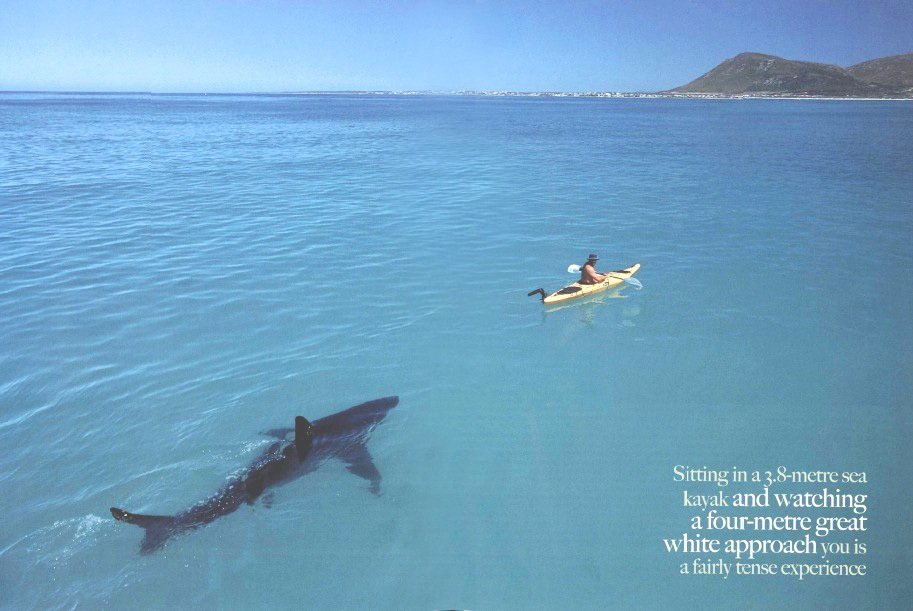
Friday, September 22, 2006
Mirror Muscle Mystery
by Craig Ballantaine
If you only train your mirror muscles, you lose out on a lot of fat burning power.
By mirror muscles I mean the chest, arms, abs, and quadriceps. Sure that's a lot of muscle, but it's not enough for best results...and only training these muscles could lead to injury.
It's likely the real fat burning power is in the back of the body. In your upper back, your lats, your glutes, and your hamstrings. That is probably more than 50% of your muscle mass back there...and you must take advantage of the metabolic boost it can offer.
Yet those muscles are trained by the exercises we often dislike. So we skip the dumbbell rows, the split squats, the romanian deadlifts, the inverted rows, etc., etc.
If that sounds like you, then change your ways.
You need to build the back of the body to build a healthier, better body. If you play sports, even at a recreational level, you'll play better when the back of your body is strong.
And those mystery muscles on the back of your body are almost always the ones that make the greatest impression on the opposite sex. And hey, tell me that isn't just a little-bitty, teeny-weeny reason you exercise?
So make these exercises your friend again - rows, lunges, db squats, back extensions on the ball, inverted rows, and even single-leg RDL's - all of these train the back of the body...so give your spouse/girlfriend/boyfriend something to look at as you walk away...and leave them with something to remember you by, even after you make a dazzling first impression with your abs.
Here's an example "Back of Your Body" workout routine that can be done at home with a bench, a ball, and dumbbells. Do 1-3 sets per exercise.
1A) DB Row (8 reps per set)
1B) Back Extension on Ball (15 reps)
2A) DB RDL (8 reps)
2B) DB Rear-Delt Raise (12 reps)
3A) DB Step-up (10 reps)
3B) Waiter's Bow (15 reps)
Make a good second impression
If you only train your mirror muscles, you lose out on a lot of fat burning power.
By mirror muscles I mean the chest, arms, abs, and quadriceps. Sure that's a lot of muscle, but it's not enough for best results...and only training these muscles could lead to injury.
It's likely the real fat burning power is in the back of the body. In your upper back, your lats, your glutes, and your hamstrings. That is probably more than 50% of your muscle mass back there...and you must take advantage of the metabolic boost it can offer.
Yet those muscles are trained by the exercises we often dislike. So we skip the dumbbell rows, the split squats, the romanian deadlifts, the inverted rows, etc., etc.
If that sounds like you, then change your ways.
You need to build the back of the body to build a healthier, better body. If you play sports, even at a recreational level, you'll play better when the back of your body is strong.
And those mystery muscles on the back of your body are almost always the ones that make the greatest impression on the opposite sex. And hey, tell me that isn't just a little-bitty, teeny-weeny reason you exercise?
So make these exercises your friend again - rows, lunges, db squats, back extensions on the ball, inverted rows, and even single-leg RDL's - all of these train the back of the body...so give your spouse/girlfriend/boyfriend something to look at as you walk away...and leave them with something to remember you by, even after you make a dazzling first impression with your abs.
Here's an example "Back of Your Body" workout routine that can be done at home with a bench, a ball, and dumbbells. Do 1-3 sets per exercise.
1A) DB Row (8 reps per set)
1B) Back Extension on Ball (15 reps)
2A) DB RDL (8 reps)
2B) DB Rear-Delt Raise (12 reps)
3A) DB Step-up (10 reps)
3B) Waiter's Bow (15 reps)
Make a good second impression
Monday, September 18, 2006
Top 5 Ways to GAIN Body Fat
by Rachel Cosgrove
Are you looking to put on a little extra pudge to keep warm? Maybe your boyfriend or husband wants to see "more" of you? How can you put on that extra layer of fat you've always wanted to fill out your jeans?
Follow these five recommendations and you'll be on your way!
1. Do long, slow aerobic exercise every day.
The more aerobics you do, the more your metabolism can slow down, the more efficient your body will be at storing fat, especially if you're looking to gain some size on your thighs!
Recommendation: Go to the gym every single day and find a treadmill or Stairmaster where you can watch TV while you're working out. After all, you're going to be there for a while. Do at least an hour per day, seven days per week at a very steady state (you should be able to carry on a conversation easily the entire workout).
Why it works to store fat: Your body will actually use fat as fuel during this workout (you should be in the "fat burning zone") which will create the perfect effect we want for the other 23 hours of the day - fat storing mode. Yes, your body will adapt to become efficient at storing fat.
This workout will do nothing to increase your metabolism either. You'll burn off muscle, decreasing your lean muscle mass, and actually slow down your metabolism. So get to the gym and start spending countless hours doing aerobics, burning off muscle, and turning your body into a fat storing machine! This is a perfect way to gain some body fat!
2. Follow a low fat, low calorie diet... and don't drink any water.
The less you eat, the lower your metabolism will go, which is optimal for storing body fat.
Recommendation: Keep your calories very low and deprive your body. Keep your calories around 1000-1200 per day (which is starving) and don't eat more than 15 to 20 grams of fat per day. You want your body to think it's starving so it'll hold on to body fat at all costs. Also, don't drink any water. Drink juice instead; it'll work wonders for expanding your waistline.
Why it works to store body fat: Every time you eat, your metabolism goes up. This isn't good when you're trying to store fat. Eating enough food will fuel fat burning, the opposite of what we want. You want your body to be in fat storing mode, which is best accomplished by depriving it.
Also, count your fat grams and keep your dietary fat levels low. This will teach your body to hold on to fat, another excellent method for putting on that extra adipose tissue (body fat)! And drinking water will only cause you to drop any excess water you're holding, therefore keep the water consumption low to keep you fat and bloated!
3. Avoid weight training at all costs!
Increasing your lean body mass is the best way to increase your metabolism to burn fat. So stay away from any weight training!
Recommendation: Don't touch the weights in the gym. Or, if you do, only lift ones that are small enough not to build any muscle (you know the ones - the little pink dumbbells in the ladies-only room).
Why it works to store fat: The goal is to keep your metabolism as low as possible to turn your body into a fat storing machine. Any lean muscle would be bad news when you're trying to gain fat because it would increase your metabolism and cause you to burn more calories! Also, weight training will raise your metabolism for the next 24 to 48 hours, which will never work to get that body fat up!
4. Eat only 1-2 meals a day!
Eating meals less frequently is a great way to keep your metabolism in the gutter all day long and will be ideal for storing fat.
Recommendation: The less often you eat, the better. If you can distract yourself all day and skip a couple of meals, you'll set yourself up perfectly to store fat. And never eat breakfast to assure that you start your day off in a fat storing mode. For best results, don't eat anything until dinner and then just eat the one meal before you fast again overnight.
Why this works to store fat: Again, every time you eat, your metabolism increases. If you skip a meal, your metabolism will drop, and if you skip more then one meal you can get that metabolism running very slow - perfect for storing body fat. Having a sluggish metabolism is ideal if you want to put on the chub, and this is a great way to achieve it.
5. Perform the exact same workout over and over without ever increasing the intensity.
Doing the same workout each time will confirm that you haven't become any stronger or more fit, but instead have stayed exactly the same or become worse.
Recommendation: Go to the gym every day and do the exact same thing. Get on the same cardio machine, in front of the same television, and walk the same speed everyday.
Why this works to store fat: This will ensure that you don't gain any lean body mass and that your workout won't limit your fat storing capabilities. You don't ever want to push yourself harder than you're used to.
Follow these guidelines to an all new, plumper you!
Wait just a darn minute...
Hold on. You say you want to lose body fat? Oh, okay, then make sure you aren't making the mistake of following any of the above guidelines! You'd actually want to do the exact opposite of each of the above rules to see a leaner physique in the mirror.
For a leaner, sexier you:
1) Do interval training instead of steady state aerobics to increase your metabolism and get your body revving to burn fat all day long. So, instead of walking on a treadmill at the same pace for 30 minutes, you'd walk two minutes then run for a minute or two, then walk again. Alternate between high and low intensity. You can do the same on an exercise bike or whatever activity you choose. This works extremely well for fat loss!
2) Fuel your body with high quality protein, complex carbohydrates, and good fats. Your calories should not drop below 1400 to 1500 per day and your fat intake should be 30% of your diet. This will keep your metabolism burning hot - perfect for fat loss.
3) Lift weights and don't be afraid to push yourself beyond what you're used to; that's how you get your body to change for the better. Every ounce of muscle you put on will increase your metabolism and keep you in a constant fat burning state! And remember, weight training doesn't make women big; it makes them firm.
4) Eat 5-6 meals a day. Every time you eat, your metabolism goes up, so eat something healthy every couple of hours to keep your body revved up to burn fat.
5) Change your workout every 4-6 weeks. Your body will adapt and you'll need a change to create a new stimulus to continue building muscle and burning fat!
May you reach all your goals and get the body of your dreams! Stay focused!
Are you looking to put on a little extra pudge to keep warm? Maybe your boyfriend or husband wants to see "more" of you? How can you put on that extra layer of fat you've always wanted to fill out your jeans?
Follow these five recommendations and you'll be on your way!
1. Do long, slow aerobic exercise every day.
The more aerobics you do, the more your metabolism can slow down, the more efficient your body will be at storing fat, especially if you're looking to gain some size on your thighs!
Recommendation: Go to the gym every single day and find a treadmill or Stairmaster where you can watch TV while you're working out. After all, you're going to be there for a while. Do at least an hour per day, seven days per week at a very steady state (you should be able to carry on a conversation easily the entire workout).
Why it works to store fat: Your body will actually use fat as fuel during this workout (you should be in the "fat burning zone") which will create the perfect effect we want for the other 23 hours of the day - fat storing mode. Yes, your body will adapt to become efficient at storing fat.
This workout will do nothing to increase your metabolism either. You'll burn off muscle, decreasing your lean muscle mass, and actually slow down your metabolism. So get to the gym and start spending countless hours doing aerobics, burning off muscle, and turning your body into a fat storing machine! This is a perfect way to gain some body fat!
2. Follow a low fat, low calorie diet... and don't drink any water.
The less you eat, the lower your metabolism will go, which is optimal for storing body fat.
Recommendation: Keep your calories very low and deprive your body. Keep your calories around 1000-1200 per day (which is starving) and don't eat more than 15 to 20 grams of fat per day. You want your body to think it's starving so it'll hold on to body fat at all costs. Also, don't drink any water. Drink juice instead; it'll work wonders for expanding your waistline.
Why it works to store body fat: Every time you eat, your metabolism goes up. This isn't good when you're trying to store fat. Eating enough food will fuel fat burning, the opposite of what we want. You want your body to be in fat storing mode, which is best accomplished by depriving it.
Also, count your fat grams and keep your dietary fat levels low. This will teach your body to hold on to fat, another excellent method for putting on that extra adipose tissue (body fat)! And drinking water will only cause you to drop any excess water you're holding, therefore keep the water consumption low to keep you fat and bloated!
3. Avoid weight training at all costs!
Increasing your lean body mass is the best way to increase your metabolism to burn fat. So stay away from any weight training!
Recommendation: Don't touch the weights in the gym. Or, if you do, only lift ones that are small enough not to build any muscle (you know the ones - the little pink dumbbells in the ladies-only room).
Why it works to store fat: The goal is to keep your metabolism as low as possible to turn your body into a fat storing machine. Any lean muscle would be bad news when you're trying to gain fat because it would increase your metabolism and cause you to burn more calories! Also, weight training will raise your metabolism for the next 24 to 48 hours, which will never work to get that body fat up!
4. Eat only 1-2 meals a day!
Eating meals less frequently is a great way to keep your metabolism in the gutter all day long and will be ideal for storing fat.
Recommendation: The less often you eat, the better. If you can distract yourself all day and skip a couple of meals, you'll set yourself up perfectly to store fat. And never eat breakfast to assure that you start your day off in a fat storing mode. For best results, don't eat anything until dinner and then just eat the one meal before you fast again overnight.
Why this works to store fat: Again, every time you eat, your metabolism increases. If you skip a meal, your metabolism will drop, and if you skip more then one meal you can get that metabolism running very slow - perfect for storing body fat. Having a sluggish metabolism is ideal if you want to put on the chub, and this is a great way to achieve it.
5. Perform the exact same workout over and over without ever increasing the intensity.
Doing the same workout each time will confirm that you haven't become any stronger or more fit, but instead have stayed exactly the same or become worse.
Recommendation: Go to the gym every day and do the exact same thing. Get on the same cardio machine, in front of the same television, and walk the same speed everyday.
Why this works to store fat: This will ensure that you don't gain any lean body mass and that your workout won't limit your fat storing capabilities. You don't ever want to push yourself harder than you're used to.
Follow these guidelines to an all new, plumper you!
Wait just a darn minute...
Hold on. You say you want to lose body fat? Oh, okay, then make sure you aren't making the mistake of following any of the above guidelines! You'd actually want to do the exact opposite of each of the above rules to see a leaner physique in the mirror.
For a leaner, sexier you:
1) Do interval training instead of steady state aerobics to increase your metabolism and get your body revving to burn fat all day long. So, instead of walking on a treadmill at the same pace for 30 minutes, you'd walk two minutes then run for a minute or two, then walk again. Alternate between high and low intensity. You can do the same on an exercise bike or whatever activity you choose. This works extremely well for fat loss!
2) Fuel your body with high quality protein, complex carbohydrates, and good fats. Your calories should not drop below 1400 to 1500 per day and your fat intake should be 30% of your diet. This will keep your metabolism burning hot - perfect for fat loss.
3) Lift weights and don't be afraid to push yourself beyond what you're used to; that's how you get your body to change for the better. Every ounce of muscle you put on will increase your metabolism and keep you in a constant fat burning state! And remember, weight training doesn't make women big; it makes them firm.
4) Eat 5-6 meals a day. Every time you eat, your metabolism goes up, so eat something healthy every couple of hours to keep your body revved up to burn fat.
5) Change your workout every 4-6 weeks. Your body will adapt and you'll need a change to create a new stimulus to continue building muscle and burning fat!
May you reach all your goals and get the body of your dreams! Stay focused!
Subscribe to:
Posts (Atom)